
Press
Choreographer Opens 'Ragtime' on Broadway, Becomes a Mom Hours Later
Ellenore Scott: From 'So You Think You Can Dance' to Broadway
Ellenore Scott Shares Highlights From Choreographing Marc Fisher's Latest Fashion Footwear Campaign
Ellenore Scott on Head Over Heels' LGBT Themes and What's Most Surprising about Broadway
Fresh Voices: Meet 13 Hot Young Choreographers
Artists Activated: Ellenore Scott On Advocating The #zerowastechallenge
Quotes
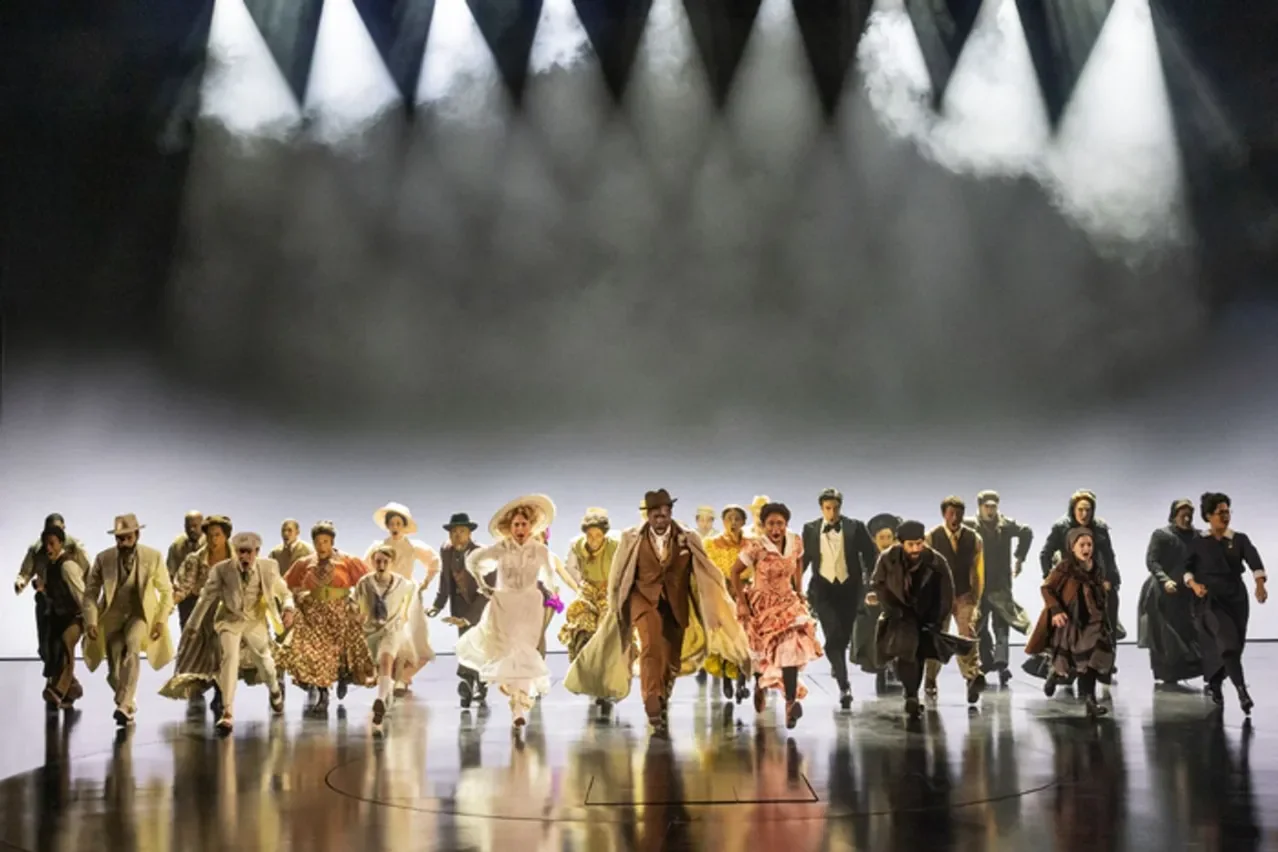
Ragtime, 2025
“The opening number remains a stunner as choreographer Ellenore Scott finding fresh ways of delineating all the major and minor characters and introducing the tensions that will further tighten throughout the show.”
-Frank Rizzo
“But here, so masterfully staged by director DeBessonet and choreographer Ellenore Scott, the combined effect of music, story and performance on that mostly bare stage is breathtaking. And it left audiences cheering and weeping right from the start.”
-Roma Torre
“Choreographer Ellenore Scott makes confident use of the grand space, crafting visually appealing patterns and characterful tableaus.”
-Simon Parris
“Finally, Ellenore Scott’s choreography is thoughtful and none-too-splashy, and occasionally even makes up for the lack of scenery.”
- Brian Scott Lipton
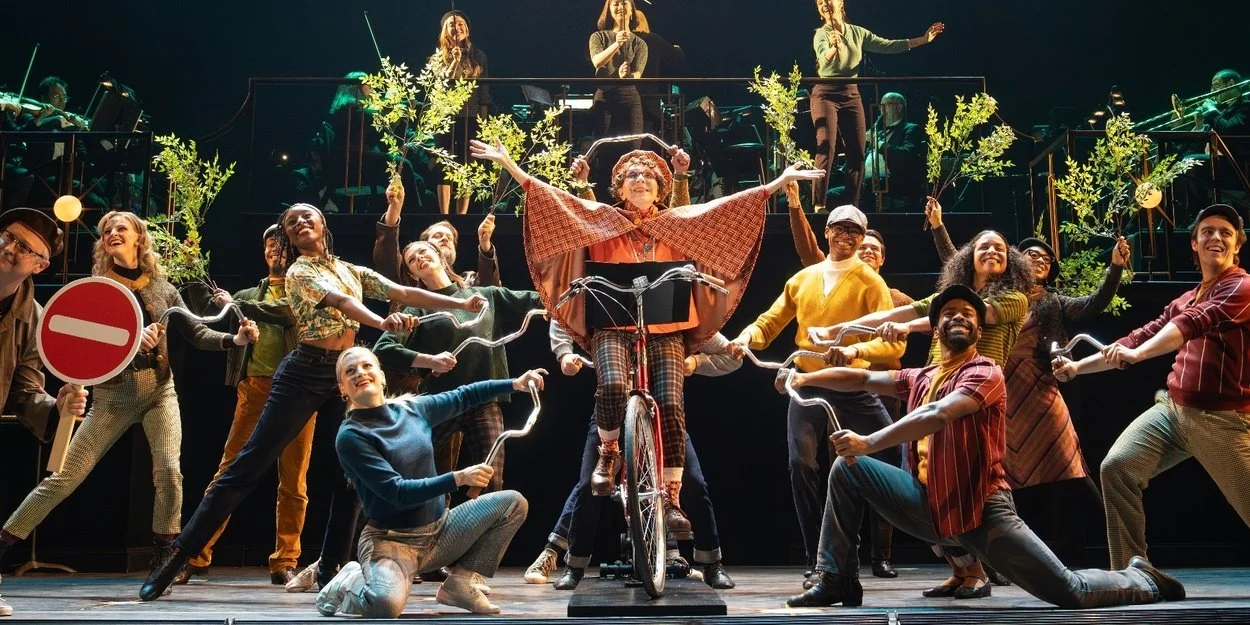

“An especially touching moment was during the last piece of the evening, when the technicalities of being outdoors had rendered the iPod useless. The choreographer herself, Ellenore Scott (ELSCO Dance) came up and sang, narrated, and counted the piece of music. It was so heart felt and raw to see the woman who made the work be so flexible and able to adapt to the environment. In this, I realized that the point of the whole evening was to capture the versatility and hunger of dancers and choreographers in New York City, and it did.”
-Jane Sato

“Right after intermission was ELSCO Dance’s Close, choreographed by Ellenore Scott and danced by Jeffrey Gugliotti and Amelia Lowe. It brought a clear tonal shift from the prior piece. Lightning (from Chris Fournier) created twilight tones, and costumes were black. Similarly to interwoven shadow, yet with movement quite stylistically different, shadows brought visual intrigue.
Facings, simple (yet clear) footwork, and levels in space – rather than virtuosity – brought intrigue. In partnering, straightening and bending knees created shape and nuance. A compelling section with one dancer facing forwards, and the other backwards. I could feel clear energetic lines in space. This facing-front, facing-back theme re-emerged here and there, such as with Lowe falling forward (but toward upstage) into Gugliotti (facing downstage).
She then rose to end up facing forward, turning in space by her own and Gugliotti’s propulsion. A sense of supporting each other, yet moving forward on their own path, was clear. This theme carried through until the end – the two standing spotlit centerstage, embracing but also reaching upward. The image, and its meaning, were truly resonant.'“
-